

Active Pharmaceutical Ingredients (APIs) form the core of any medicinal product, directly influencing its safety, efficacy, and therapeutic performance. Even trace levels of impurities in APIs can significantly impact patient health, making impurity control a critical aspect of pharmaceutical development and manufacturing. Ensuring high API purity is essential not only for delivering the intended therapeutic effect but also for minimizing adverse reactions and long-term health risks.
In pharmaceutical manufacturing, impurity control plays a vital role throughout the product lifecycle—from raw material selection to final drug formulation. Impurities can alter chemical stability, reduce potency, or introduce toxicity, which can compromise drug quality and consistency. As manufacturing processes become more complex and globalized, controlling and monitoring impurities has become increasingly challenging and important.
Regulatory authorities worldwide, including ICH, USFDA, EMA, and other global agencies, place strong emphasis on impurity profiling and documentation. Strict guidelines require pharmaceutical companies to identify, quantify, and control impurities within defined limits. Failure to comply can result in regulatory delays, product recalls, or rejection of drug approvals.
AAA Enterprises supports pharmaceutical manufacturers by providing reliable solutions and expertise related to API impurity analysis, reference standards, and regulatory support. As a trusted pharma support partner, the company helps ensure compliance, quality assurance, and smooth regulatory submissions across global markets.
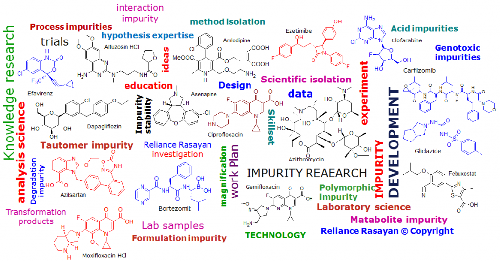
API impurities are unwanted chemical entities present in an active pharmaceutical ingredient that are not the intended therapeutic compound. These impurities may arise during synthesis, processing, storage, or handling and can exist even in highly controlled manufacturing environments.
Impurities are formed due to various factors such as incomplete reactions, side reactions, degradation over time, or contamination from raw materials and processing equipment. Even minor variations in temperature, solvents, or reaction conditions can lead to impurity formation during API production.
The primary difference between an API and its impurities lies in their intended function and chemical structure. While the API is designed to deliver a specific therapeutic effect, impurities offer no medicinal benefit and may interfere with drug performance or safety.
The presence of impurities can negatively affect drug quality by reducing stability, altering bioavailability, or introducing toxicological risks. This makes their identification, characterization, and control essential to ensure safe, effective, and compliant pharmaceutical products.
View Products

View Products
View Products
Impurity limits are established to ensure patient safety and consistent drug quality. Even trace-level impurities can pose health risks if consumed repeatedly over time. Regulatory limits help manufacturers control unwanted substances so that medicines remain safe, effective, and stable throughout their shelf life.
Pharmaceutical regulations define three important thresholds for API impurities. The reporting threshold determines when an impurity must be reported in analytical data. The identification threshold specifies when the chemical structure of an impurity must be identified. The qualification threshold defines when toxicological data is required to demonstrate that the impurity is safe at the observed level.
Impurity limits are always based on protecting patients, especially for long-term therapies. Chronic exposure to even low levels of harmful impurities can lead to cumulative toxicity. Regulatory agencies therefore assess impurity risk based on treatment duration, patient population, and route of administration.
Acceptable impurity limits are often linked to the daily dose of the drug. Higher-dose medicines typically allow lower impurity concentrations per unit dose, while low-dose drugs may tolerate slightly higher relative impurity levels. This dose-based approach ensures that total daily exposure remains within safe limits.
ICH Guidelines Overview (Q3A, Q3B, Q3C, Q3D):
The International Council for Harmonisation (ICH) provides globally accepted guidelines for impurity control. ICH Q3A focuses on impurities in new drug substances, while Q3B addresses impurities in drug products. Q3C defines limits for residual solvents, and Q3D establishes risk-based control of elemental impurities.
Pharmacopeial Requirements (USP, EP, IP):
Major pharmacopeias such as the United States Pharmacopeia, European Pharmacopoeia, and Indian Pharmacopoeia specify impurity limits, analytical methods, and acceptance criteria. Compliance with these standards is mandatory for market approval and routine quality control.
WHO Guidance Basics:
The World Health Organization provides guidance for impurity control, particularly for medicines supplied to global and developing markets. WHO standards emphasize safety, quality consistency, and harmonization with ICH principles.
Importance of Compliance in Global Markets:
Regulatory compliance is essential for global pharmaceutical trade. Failure to meet impurity standards can lead to regulatory rejection, import bans, recalls, or delayed approvals, directly impacting market access and brand credibility.
What Are GTIs?
Genotoxic impurities are chemical substances that have the potential to interact directly with DNA, causing genetic mutations that may lead to cancer or hereditary defects, even when present at extremely low concentrations in pharmaceutical products.
Why They Need Strict Control
Unlike general impurities, GTIs are considered high-risk because even minimal, long-term exposure can pose serious health hazards, making it necessary to control them far more stringently than conventional process-related impurities.
Acceptable Intake Concept (TTC)
The Threshold of Toxicological Concern (TTC) establishes a conservative, science-based limit—commonly 1.5 µg per day—below which the lifetime risk of cancer is considered negligible for most genotoxic substances.
Risk Assessment Approach
Effective GTI management involves early identification of mutagenic structural alerts, evaluation of formation pathways during synthesis, assessment of patient exposure, application of TTC-based limits, and implementation of robust process controls or purification strategies to eliminate or reduce GTIs.
View Products
View Products

View Products
AAA Enterprises plays a vital role in supporting pharmaceutical companies with API impurity compliance through deep expertise in pharma raw materials and quality-focused supply practices. The company understands the regulatory expectations surrounding impurity profiling, documentation, and consistency, enabling customers to meet global compliance requirements with confidence.
By aligning its supply practices with current regulatory guidelines, AAA Enterprises ensures that materials meet stringent quality and impurity control standards. This regulatory-aware approach helps pharmaceutical manufacturers reduce compliance risks during submissions, audits, and inspections.
AAA Enterprises also provides strong support in maintaining consistency and documentation, which are critical for DMF filings, stability studies, and lifecycle management. With reliable sourcing, transparent quality data, and dependable supply continuity, AAA Enterprises stands as a trusted long-term partner for pharmaceutical companies committed to safe, compliant, and high-quality drug development.








Copyright © 2026 AAA Enterprises All Rights Reserved.